From Theory to Practice: How QEC4QEA is Training the Next Generation of Quantum Experts
Since 2021, World Quantum Day has served as a global occasion to raise awareness of the latest developments in quantum science and technology. While the field may often seem distant from everyday life, and difficult to grasp without a background in physics or computer science, it is set to have a profound impact in the near future.
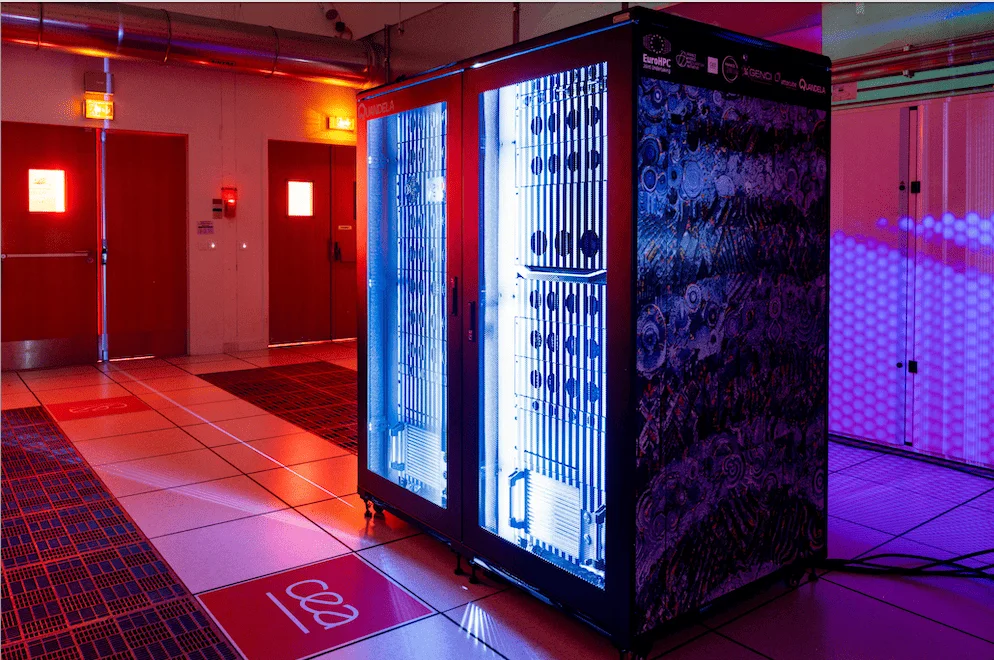 © CEA Cadam I Quandela
Making quantum computing accessible and understandable
In QEC4QEA, training sessions and support services form a core part of the project’s activities. The project aims to make quantum computing both understandable and usable for an interdisciplinary European quantum community. To this end, one dedicated work package focuses on developing a range of educational formats designed to bring quantum computing closer to scientists, students, and industrial end users.
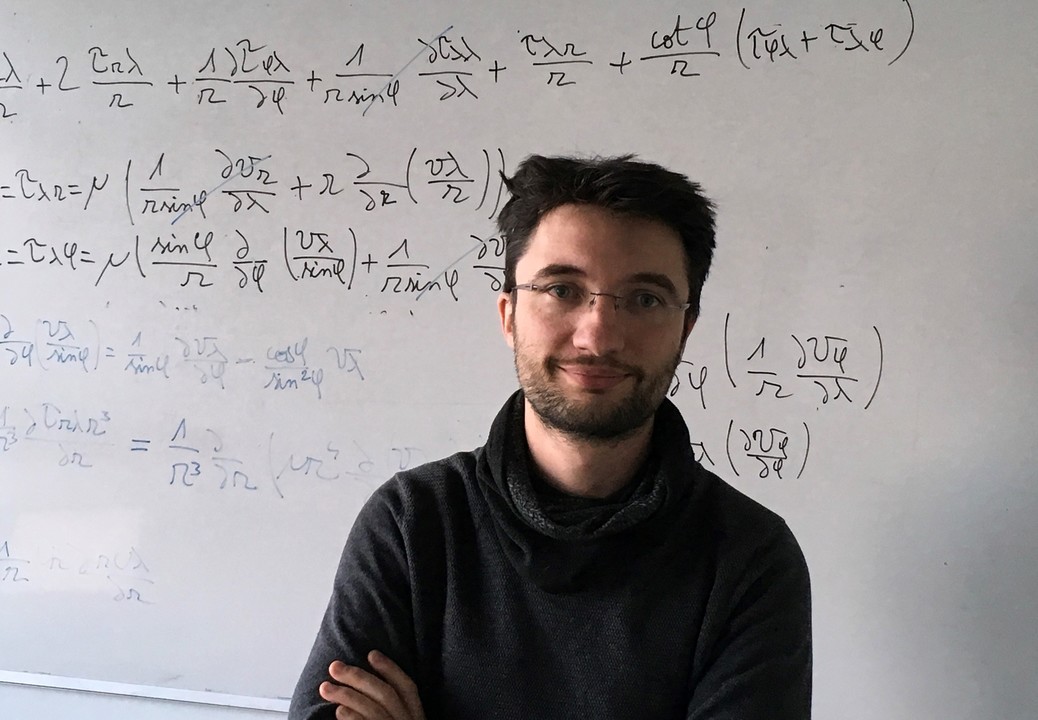 Pascal Tremblin (CEA)
“The idea is to support both beginners discovering the field and experts looking to apply quantum methods to real-world applications,” says Pascal Tremblin (CEA), who leads the work package.
From introductory sessions explaining the fundamentals of quantum computing in accessible terms, to hands-on workshops providing direct access to quantum software and practical use cases, and even structured study programmes, the educational offer led by CEA spans a wide range of formats. The work package team, comprising partners from CEA, BSC, Rudolfovo, and the University of Padova, is planning both online and on-site sessions. While online sessions will combine interactive lectures, live demonstrations, and Q&A elements, on-site sessions will focus on more immersive experiences, including hands-on work with quantum software and direct interaction with experts in the field.
Across all formats, a common goal is to demonstrate the value of quantum computing by grounding teaching activities in real-world challenges, particularly industrial use cases, rather than relying solely on theoretical examples. Artur Garcia from BSC focuses in particular on courses for graduate and postgraduate students.
Artur Garcia (BSC)
“It is also important to place this research within the long tradition of computational methods in science, rather than presenting it as something entirely novel,” Garcia (BSC) explains.
He also highlights the positive impact of quantum computing courses on students’ career prospects, as QEC4QEA provides early access to expertise that is often only acquired after graduation.
Building a sustainable quantum community
Participation in the workshops is designed to be straightforward. For most sessions, participants can register openly via the QEC4QEA website or through the websites of consortium partners. However, highly specialised workshops may require an application process to ensure that participants have the appropriate level of expertise.
Through its educational programme, QEC4QEA aims to build a sustainable European quantum community by fostering collaboration, developing training platforms, and offering a broad portfolio of events and workshops. “Our vision is to create a European ecosystem where quantum computing becomes accessible, practical, and integrated with existing technologies. Training is a key enabler: it transforms curiosity into capability and helps build the next generation of quantum-ready experts,” concludes Tremblin.
More information about the recent trainings offered by our partners from CEA: https://cc-fr.eu/formations-cc-fr/
BSC Master in Quantum Science and technology: https://quantummasterbarcelona.eu/
BSC Post graduate course in Quantum engineering: https://upcschool.upc.edu/ing/estudis/formacio/curs/304400/postgraduate-course-quantum-engineering